
Key Considerations When Building Your Family Dream Home
Guest article from smoothdecorator.com.
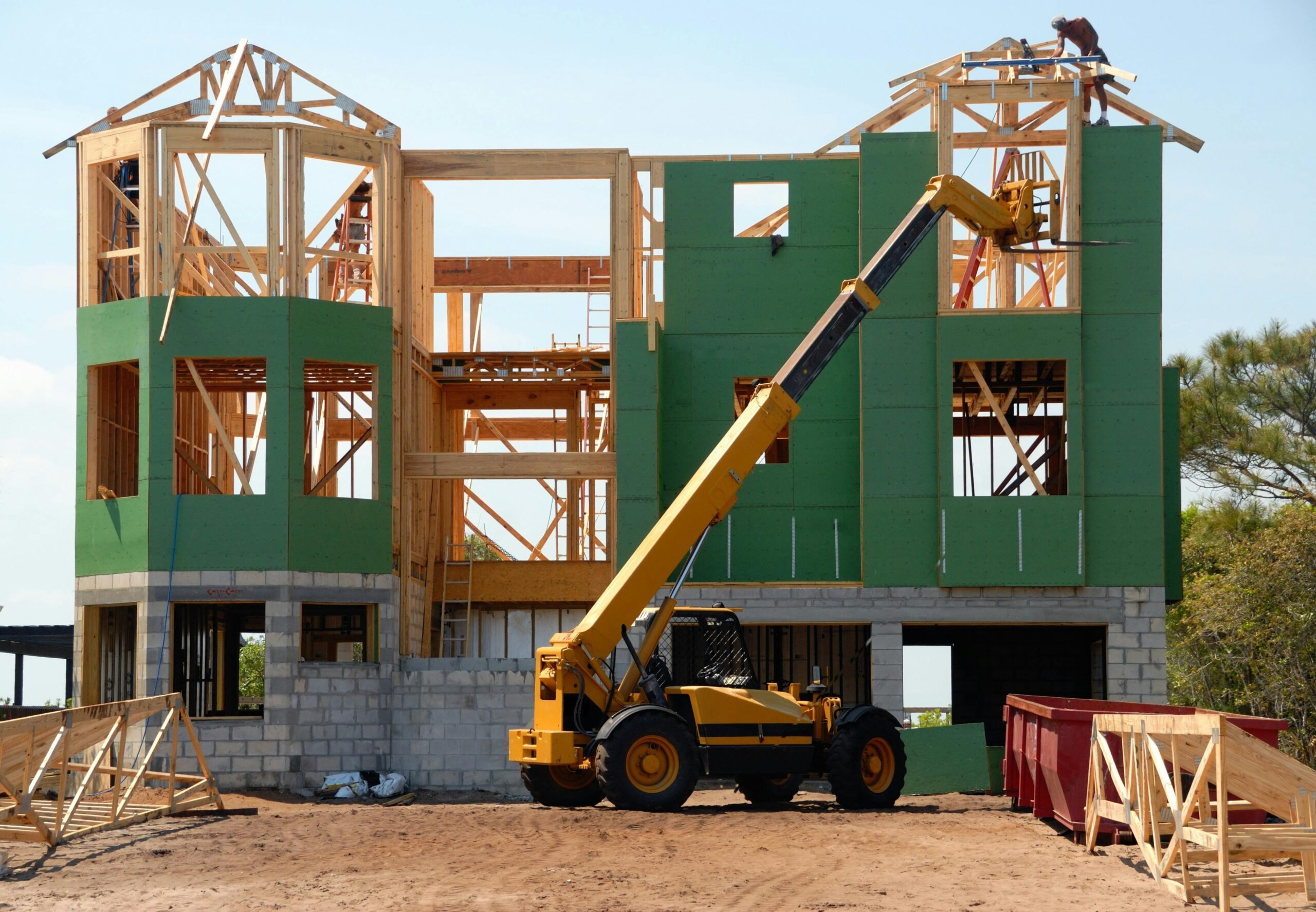
Photo by Pexels
Building a family dream home is one of the most significant projects you will ever undertake. It is not just about bricks, layouts, and finishes, but about creating a space that will support your family’s lifestyle, values, and future for decades to come. From early planning decisions to long-term practicality, every choice you make will shape how comfortable, functional, and resilient your home becomes. A thoughtful approach from the very beginning can help you avoid costly mistakes, reduce stress, and ensure that your new home truly reflects what your family needs both now and in the years ahead.
Defining Your Family’s Needs and Vision
Before architectural drawings or contractor discussions begin, it is essential to clearly define what your family needs from the home. This goes beyond the number of bedrooms and bathrooms. Consider how your family lives day to day: Do you need open-plan living to keep an eye on young children, or quiet, separated spaces for remote work and study? Are multigenerational living arrangements likely in the future, requiring flexible rooms or an extra suite? Lifestyle factors such as hobbies, entertaining habits, and storage requirements should also play a central role in shaping your vision. Writing a detailed brief that outlines must-haves, nice-to-haves, and long-term goals will help guide every decision and keep the project aligned with your priorities, even when compromises become necessary.
Choosing the Right Location and Understanding the Land
The location of your dream home is just as important as the structure itself. Proximity to schools, healthcare, workplaces, and community amenities can significantly influence your family’s quality of life. Beyond neighborhood considerations, the characteristics of the land deserve careful evaluation. Soil conditions, slope, drainage, and environmental factors can affect construction methods, timelines, and costs. This is where technical assessments, including reliable ground vibration testing, may be relevant depending on nearby infrastructure or construction activity. Understanding the land early helps prevent structural issues, unexpected expenses, and future discomfort. A well-chosen site not only supports a safe build but also enhances long-term property value and livability.
Designing for Comfort, Functionality, and Growth
A well-designed family home balances aesthetics with everyday functionality. Thoughtful layouts can improve natural light, airflow, and energy efficiency while making daily routines smoother. Kitchens should accommodate both cooking and family interaction, bathrooms should be practical for busy mornings, and bedrooms should offer privacy and comfort. Equally important is designing with growth in mind. Children grow, needs change, and what works today may not work in ten years. Flexible spaces that can transition from playrooms to study areas or guest rooms allow your home to adapt without major renovations. Smart design choices at this stage reduce the need for costly changes later and ensure the home evolves alongside your family.
Budgeting Realistically and Planning for the Unexpected
Establishing a realistic budget is a cornerstone of any successful home-building project. Beyond construction costs, you should account for permits, professional fees, landscaping, furnishings, and utility connections. It is also wise to set aside a contingency fund for unexpected expenses, which are almost inevitable in custom builds. Material price fluctuations, design changes, or site-related challenges can all impact the final cost. Transparent communication with builders and designers about your financial limits helps prevent overspending and disappointment. A well-managed budget not only protects your finances but also allows you to make informed decisions without sacrificing essential quality or safety.
Prioritizing Quality, Sustainability, and Long-Term Value
When building a family home, quality should never be compromised for short-term savings. Durable materials, skilled workmanship, and reliable systems contribute to lower maintenance costs and greater comfort over time. Sustainability is another increasingly important consideration. Energy-efficient insulation, smart heating and cooling systems, and water-saving fixtures can significantly reduce running costs while minimizing environmental impact. These features also enhance resale value, making your home a sound long-term investment. By prioritizing quality and sustainability, you are not just building a house, but creating a healthy, efficient environment that supports your family’s well-being for years to come.
Building your family dream home is a complex yet deeply rewarding journey that requires careful planning, informed decisions, and a clear understanding of both present and future needs. By defining your vision early, choosing the right location, designing adaptable spaces, managing your budget wisely, and focusing on long-term quality, you lay the foundation for a home that truly serves your family. With a thoughtful, holistic approach, your dream home can become a lasting sanctuary where memories are made, milestones are celebrated, and everyday life feels both comfortable and meaningful.